Your Ultimate Nepal Adventure from India: The Complete Travel Guide!
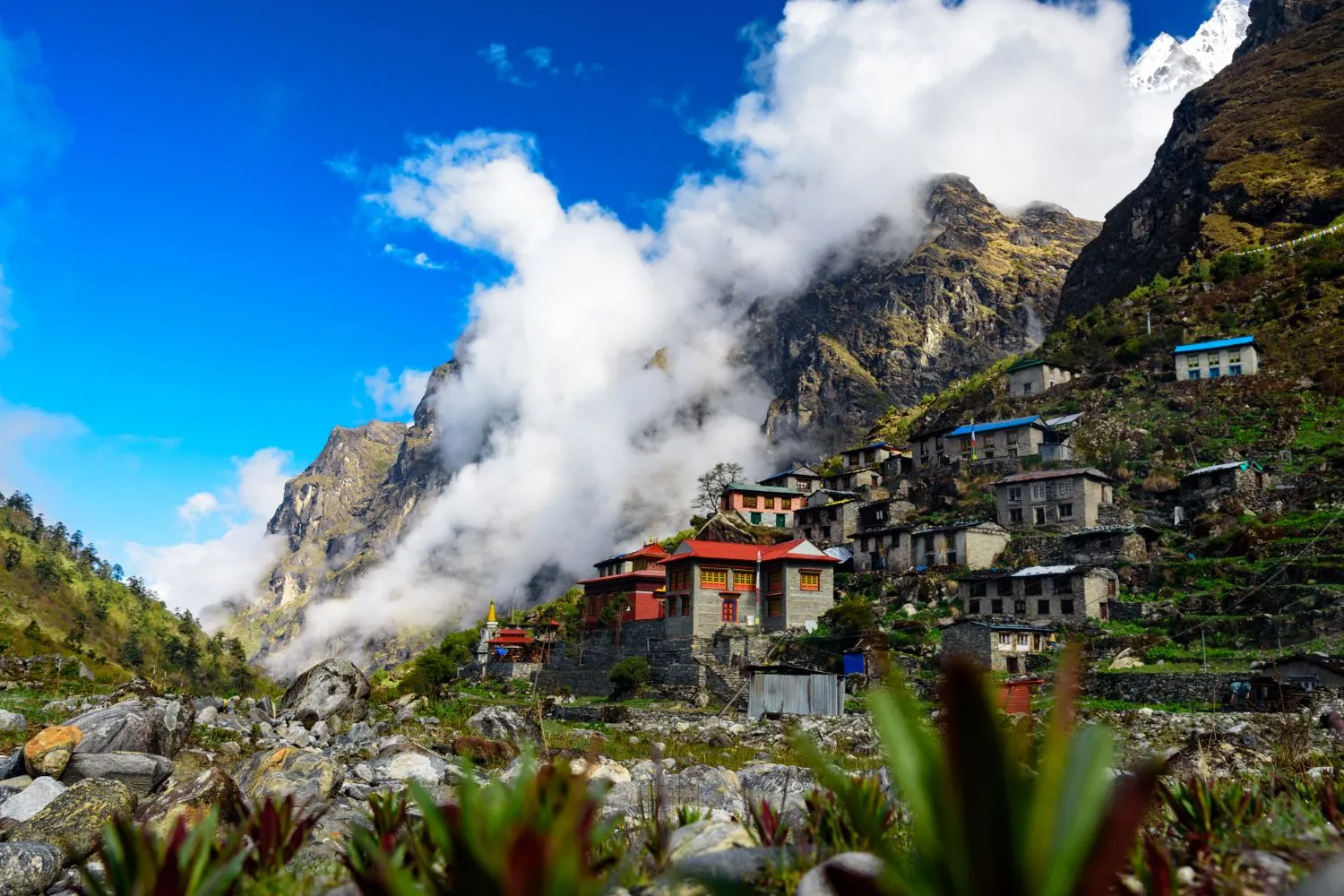
Are you dreaming of soaring Himalayan peaks, ancient spiritual sanctuaries, thrilling adventures, and a rich tapestry of culture? Nepal beckons! This enchanting nation, nestled in the lap of the Himalayas, offers a breathtaking blend of natural wonders, profound spirituality, and vibrant traditions that will captivate every Indian traveler.
If you’re planning your Nepal travel from India and wondering where to begin, you’ve landed in the perfect place! This comprehensive guide is your all-in-one resource, covering everything from visa essentials and travel logistics to the must-see destinations and insider tips. Get ready to embark on the adventure of a lifetime!
✨ Why Nepal is Your Next Must-Visit Destination from India ✨
Nepal is more than just a destination; it’s a soul-stirring experience that truly comes alive. Here’s why it’s a go-to choice for Indian travelers:
- 🏔️ Himalayan Grandeur: Home to eight of the world’s highest peaks, including Mount Everest, Nepal offers unparalleled opportunities for trekking, mountaineering, and simply gazing in awe at the majestic Himalayas.
- 🙏 Spiritual Heartbeat: Discover ancient temples, stupas, and monasteries, including UNESCO World Heritage Sites like Pashupatinath and Boudhanath. Experience the profound spiritual energy that permeates the land.
- 💰 Affordable Exploration: Nepal offers a remarkably affordable travel experience, allowing you to explore its wonders, enjoy local cuisine, and find comfortable accommodation without stretching your budget.
- 🛂 Easy Accessibility: Thanks to open borders and friendly relations, Nepal travel from India is incredibly straightforward, often requiring no visa for Indian citizens for tourism purposes.
- 🏞️ Diverse Landscapes: From the jungles of Chitwan National Park to the serene lakes of Pokhara and the bustling streets of Kathmandu, Nepal’s varied terrain offers something for every kind of adventurer.
- 🤝 Warm Hospitality: Nepalese people are renowned for their genuine warmth and welcoming nature, making your journey even more memorable.
✈️ Getting There: Your Journey from India to Nepal ✈️
By Air: The Fastest & Most Popular Choice
Flying is the most convenient and efficient way to travel from India to Nepal, typically taking around 1.5 to 2.5 hours for direct flights, offering stunning aerial views of the Himalayas on clear days.
- Major Departure Cities in India: You can find direct flights from major Indian hubs like:
- Delhi (DEL)
- Mumbai (BOM)
- Kolkata (CCU)
- Bengaluru (BLR)
- Chennai (MAA)
- Varanasi (VNS)
- Key International Airport in Nepal:
- Tribhuvan International Airport (KTM) in Kathmandu is Nepal’s only international airport.
- Flight Costs: Airfare usually ranges from INR 8,000 to INR 15,000 for a round trip. Booking a few months in advance or during off-peak seasons can sometimes yield lower fares.
By Road: A Scenic & Economical Option
Traveling by road is a popular and economical choice for many Indian travelers, offering a chance to experience the diverse landscapes as you cross the border.
- Major Border Crossings: The most common land border crossings for Indian tourists are:
- Sunauli (Uttar Pradesh, India to Belahiya, Nepal) – Most popular, often used for travel to Pokhara or Lumbini.
- Raxaul (Bihar, India to Birgunj, Nepal) – Good for reaching Kathmandu.
- Panitanki (West Bengal, India to Kakarbhitta, Nepal) – Good for reaching Eastern Nepal.
- Transportation Options:
- Private Vehicles: You can drive your own car, but specific permits and customs procedures apply.
- Buses: Direct buses are available from major Indian cities (like Delhi, Varanasi, Kolkata) to Kathmandu and Pokhara. These are budget-friendly but can be long journeys (18-24+ hours from Delhi).
- Shared Jeeps/Taxis: Available from border towns.
- Cost: Road travel is significantly cheaper than flying, with bus fares typically ranging from INR 1,000 to INR 2,500 depending on the origin city and class.
✅ Nepal Visa for Indian Citizens: A Smooth Process ✅
This is one of the biggest advantages for Indian travelers!
- No Visa Required for Indian Citizens: Indian nationals do not require a visa to enter Nepal for tourism purposes. You can enter Nepal with valid identification.
- Required Documents for Entry:
- Indian Passport: The most common and recommended document.
- Aadhaar Card: Can also be used as proof of Indian nationality.
- Voter ID Card: Another valid form of identification.
- Note: Driving licenses and PAN cards are generally NOT accepted as sole proof of nationality for entry.
- Duration of Stay: Indian citizens can stay in Nepal for up to 90 days in a 180-day period.
📍 Where to Explore: Unmissable Destinations in Nepal 📍
Nepal offers an incredible array of landscapes and experiences. Here are some of the top regions and cities you simply must include in your itinerary:
Kathmandu Valley: Cultural Heart & Ancient Wonders
- Kathmandu: The vibrant capital city. Explore its UNESCO World Heritage Sites like Durbar Square, Swayambhunath (Monkey Temple), Boudhanath Stupa, and the sacred Pashupatinath Temple. Immerse yourself in the bustling Thamel district.
- Patan (Lalitpur): Known for its rich artistic heritage, ancient crafts, and stunning Durbar Square.
- Bhaktapur: A beautifully preserved ancient city, offering a glimpse into Nepal’s medieval past with its traditional architecture and pottery squares.
Pokhara: Adventure Gateway & Lakeside Serenity
- Phewa Lake: Enjoy boating, lakeside dining, and breathtaking reflections of the Annapurna range.
- Sarangkot: Famous for sunrise views over the Himalayas and paragliding take-off points.
- Peace Pagoda: Offers panoramic views of Pokhara Valley and the Annapurna range.
- Adventure Sports: Pokhara is the hub for paragliding, zip-lining, white-water rafting, and short treks.
Lumbini: Birthplace of Buddha & Spiritual Serenity
- Maya Devi Temple: Marks the exact spot where Lord Buddha was born. A profound spiritual experience.
- Monastic Zone: Explore monasteries built by various Buddhist countries, each showcasing unique architectural styles.
Chitwan National Park: Wildlife & Jungle Safari
- Jungle Safaris: Experience thrilling elephant safaris or jeep safaris to spot wildlife like the one-horned rhinoceros, Bengal tigers (if you’re lucky!), deer, and various bird species.
- Tharu Village Tour: Learn about the indigenous Tharu culture and lifestyle.
- Canoeing: Glide along the Rapti River, spotting crocodiles and birds.
Trekking Regions (For Adventure Enthusiasts)
- Everest Base Camp Trek: The legendary trek to the foot of the world’s highest mountain. (Requires time and good fitness).
- Annapurna Base Camp Trek: Another iconic trek offering stunning mountain views and diverse landscapes.
- Poon Hill Trek: A shorter, popular trek offering incredible sunrise views of the Annapurna and Dhaulagiri ranges.
💡 Practical Tips for Your Nepal Trip from India 💡
- Currency: Nepalese Rupee (NPR). Indian Rupees (INR) are widely accepted, especially in tourist areas, but ensure you receive a fair exchange rate. Small INR denominations are preferred.
- Language: Nepali is the official language. English is widely understood in tourist areas.
- Best Time to Visit:
- Autumn (Sept-Nov): Clear skies, moderate temperatures, and excellent visibility for mountain views – ideal for trekking.
- Spring (March-May): Warmer, with rhododendrons blooming, also good for trekking.
- Winter (Dec-Feb): Cold at higher altitudes, but clear skies and fewer crowds in lower regions.
- Transportation within Nepal: Domestic flights (for quick travel between major cities like Kathmandu and Pokhara), tourist buses, local buses, taxis, and shared jeeps are common.
- Local SIM Card: Easily available at the airport or local stores. Ncell and Nepal Telecom are major providers.
- Safety: Nepal is generally safe for tourists. Be mindful of altitude sickness if trekking.
- Dress Code: Respectful and modest clothing is advisable, especially when visiting religious sites.
- Connectivity: While major areas have good internet, expect limited connectivity in remote trekking regions.